What Is Cockfighting? An In-Depth Exploration of this Traditional & Controversial Sport
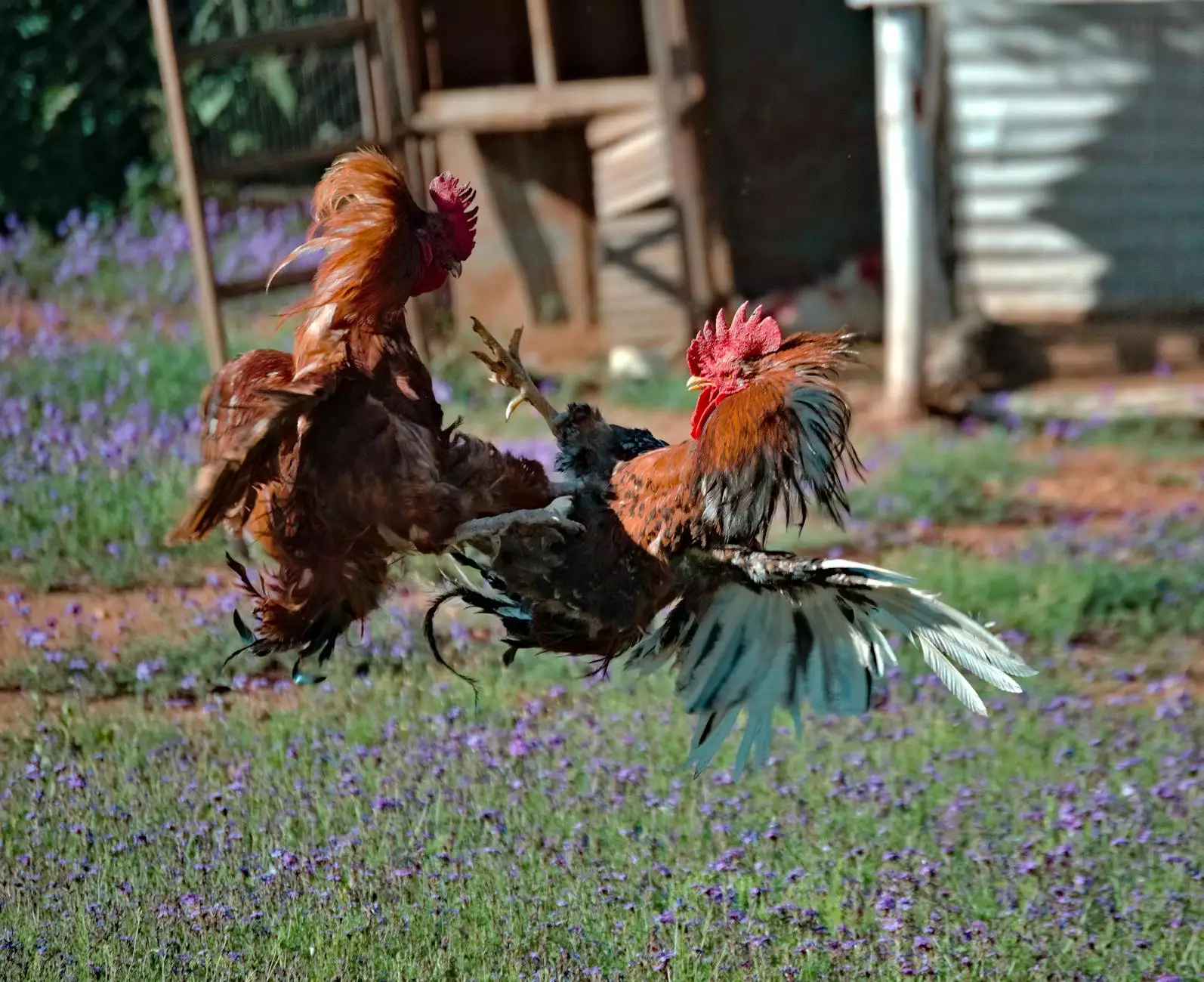
In the realm of traditional sports and cultural spectacles, cockfighting stands out as one of the most ancient and controversial activities still practiced today. While its origins date back thousands of years across various civilizations, it remains a topic of significant debate due to ethical concerns and legal considerations. This comprehensive guide aims to shed light on what is cockfighting, exploring its history, rules, cultural importance, and the role it plays in modern-day sports betting, notably through platforms like Sabong International Online.
Understanding the Origins of Cockfighting
Historically, cockfighting can be traced back over 3,000 years to ancient civilizations such as Mesopotamia, Rome, and Asia. Evidence suggests that these battles were both a form of entertainment and a ritualistic offering in religious ceremonies. Over time, various cultures integrated cockfighting into their social fabric, viewing it as a symbol of strength, bravery, and masculinity.
The Cultural Significance of Cockfighting Across the Globe
In Southeast Asia and the Philippines
The Philippines, in particular, has an extensive history of cockfighting or "sabong," which is deeply embedded in the country's cultural identity. It is considered a social activity that transcends age and social class, embodying tradition, community bonding, and even spiritual beliefs.
In Spain and Latin America
In Spain and Latin American countries, cockfighting was historically popular and associated with festivities and rural life. It played a role in social gatherings and was often linked to celebrations and fairs, although modern attitudes have shifted towards regulation and prohibition in some areas.
In Ancient Civilizations
Ancient Greeks and Romans regarded cockfighting as a form of aristocratic entertainment, often staging elaborate matches and gladiatorial-style combats. These events were sometimes televised, drawing large crowds and fostering a sense of spectacle and competition.
The Rules and Regulations of Cockfighting
Understanding the Basic Mechanics
What is cockfighting precisely? It involves the pairing of two specially bred and trained roosters, often fitted with steel spurs or blades, in an enclosed ring or pit. The objective is to see which bird prevails through combat, often until one is incapacitated or killed.
Preparation of Fighters
- Breeding: Cockfighting birds, called "gamecocks," are selectively bred for aggression, strength, and stamina.
- Training: Trainers condition the birds to fight by encouraging aggressive behavior and endurance.
- Equipment: Roosters are fitted with gaffs or spur blades, which intensify the combat and often lead to fatalities.
Match Procedures and Judging
During a typical match, the two gamecocks are released into the fighting area. The fight continues until one bird is unable to continue due to injury, exhaustion, or death. Judges or referees monitor the fight for fairness, safety, and adherence to rules. The outcome can be a win for either bird, a draw, or sometimes a disqualification based on specific circumstances.
Legality and Ethical Controversies Surrounding Cockfighting
Legal Perspectives
Legislation regarding what is cockfighting varies widely. Many countries and regions have banned or heavily regulated the activity due to concerns over animal cruelty. For example, in the United States, cockfighting is illegal in most states, with penalties including fines and imprisonment. Conversely, some countries still permit the practice under specific cultural exemptions.
Animal Welfare Concerns
- Cruelty: Critics highlight the brutality of cockfighting, where birds sustain severe injuries or are killed deliberately.
- Ethical debates: Animal rights organizations campaign tirelessly against the activity, emphasizing humane treatment and promoting bans.
- Cultural Sensitivity vs. Animal Welfare: Advocates argue that cultural traditions should be preserved, yet the global consensus is increasingly leaning toward animal protection laws.
Role of Cockfighting in Modern Society and Economy
As a Cultural Tradition
Despite legal bans in many regions, what is cockfighting remains a significant cultural event in certain parts of the world. It often symbolizes community identity, social status, and traditional values passed through generations.
In the Economy: Betting and Gambling
One of the most prominent aspects of cockfighting today is its deep connection to sports betting. Enthusiasts bet on the outcome of fights, with wagers ranging from small amounts among friends to large bets involving organized betting rings. Platforms like Sabong International Online have modernized betting options, allowing enthusiasts worldwide to partake virtually, providing a regulated and secure environment.
Gambling and Legal Regulations
In areas where cockfighting is illegal, online betting platforms operate in gray legal zones, often emphasizing their focus on entertainment rather than illegal activity. It is crucial for users to understand their local laws before engaging in betting activities related to cockfighting events.
How to Engage with Cockfighting in a Legal and Responsible Manner
Understanding the Risks and Responsibilities
- Legal Compliance: Always check local laws regarding cockfighting and associated betting activities.
- Animal Welfare: Promote and support ethical practices that ensure the humane treatment of animals involved.
- Community Respect: Respect cultural traditions while advocating for ethical standards and animal protection.
Wagering and Betting Tips for Enthusiasts
- Research: Study the fighters' backgrounds, training, and fight history before placing bets.
- Bet Responsibly: Never wager more than you can afford to lose; treat betting as entertainment.
- Utilize Reputable Platforms: Use trusted online betting sites such as Sabong International Online for safety and security.
Future Trends and Innovations in Cockfighting and Betting
Technology and Virtual Events
The advancement of digital technology has transformed traditional cockfighting into virtual and simulated experiences. Online platforms enable betting on simulated matches using AI, virtual reality, and live streaming, expanding reach and accessibility while reducing animal cruelty concerns.
Legal Reforms and Cultural Preservation
Ongoing debates focus on balancing respect for cultural heritage with ethical considerations. Some regions are actively considering regulations that allow traditional practices under strict guidelines, emphasizing humane treatment and proper oversight.
Growth of Responsible Betting Platforms
Responsible gambling initiatives are increasingly integrated into online betting sites, promoting safe gaming practices and educating users about the risks associated with sports betting, including cockfighting-related wagers.
Conclusion: Appreciating the Complexity of What Is Cockfighting
The question of what is cockfighting encompasses a wide range of cultural, historical, ethical, and legal aspects. While it remains a practiced tradition in certain cultures, it is also the subject of intense ethical debates and legal restrictions globally. For enthusiasts interested in the betting side of the sport, platforms like Sabong International Online provide a modern, regulated avenue to enjoy the excitement responsibly.
Ultimately, engaging with cockfighting—be it for cultural, sporting, or betting purposes—requires a nuanced understanding of its significance, risks, and responsibilities. Promoting awareness, ethical practices, and legal compliance is essential for preserving cultural heritage while respecting animal welfare and societal values.
Additional Resources & References
- Wikipedia: Cockfighting
- ASPCA: Cockfighting Guide
- Humane Society International
- Official Platform for Cockfighting Betting: Sabong International Online
Engaging in respectful, informed, and responsible ways ensures that the rich cultural history of cockfighting can be appreciated while safeguarding animal welfare and supporting legal standards worldwide.