Enhancing Agriculture with the Latest Silo Temperature Monitoring System Technology
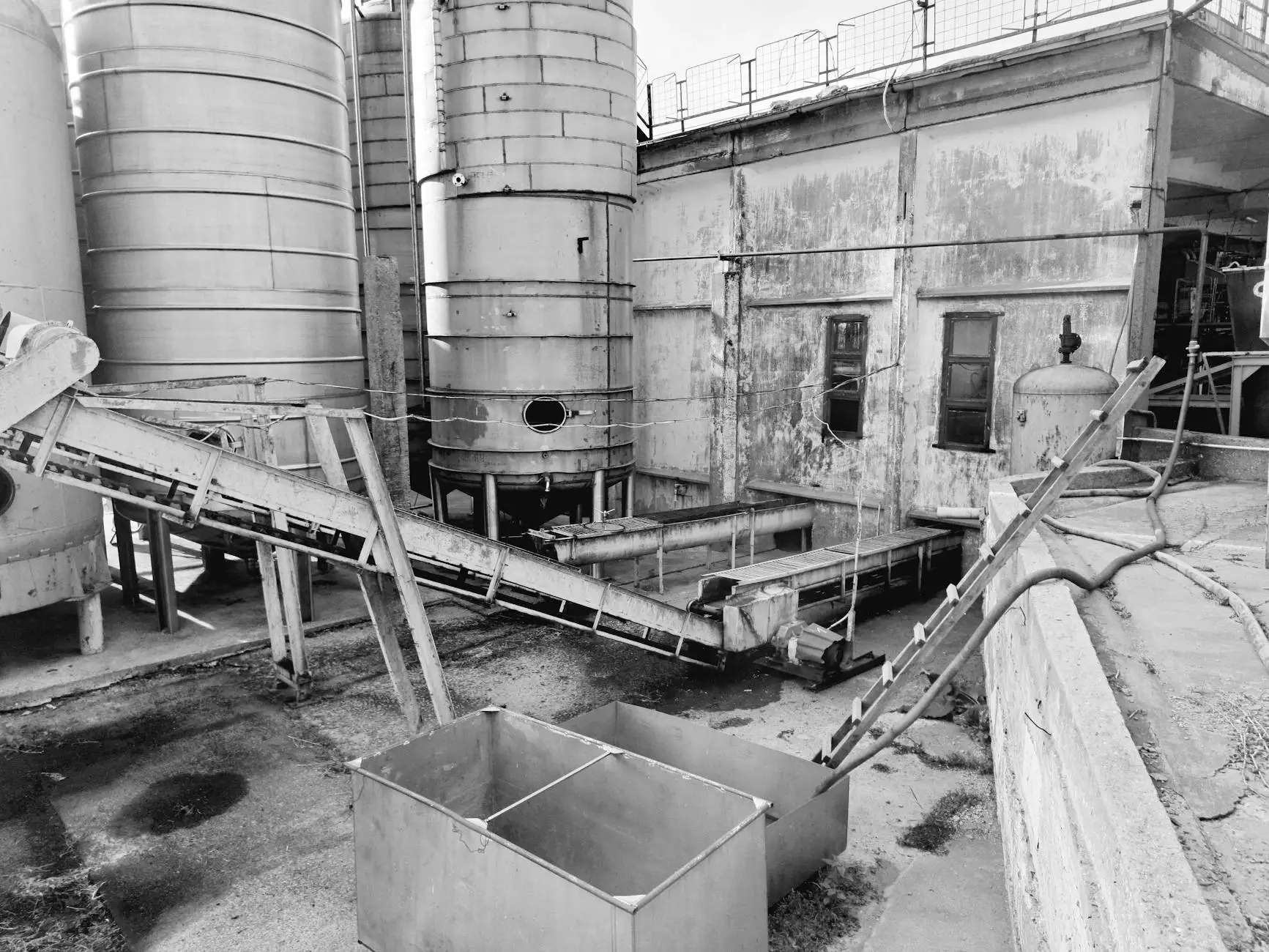
In the rapidly evolving world of modern agriculture, efficiency, safety, and productivity are more important than ever. A significant aspect of successful farming operations revolves around the optimal storage of crops, grains, and other farm products. Proper storage not only preserves the quality and value of these commodities but also mitigates losses caused by spoilage, pests, and unpredictable environmental conditions. Among the technological advancements that have revolutionized grain storage management, the silo temperature monitoring system stands out as an indispensable tool for farmers and equipment repair professionals alike.
Understanding the Importance of Silo Temperature Monitoring System
The silo temperature monitoring system is a sophisticated technology designed to continuously track and analyze the internal temperatures of silos and storage facilities. By providing real-time data, it enables proactive decision-making, ensuring grains remain safe, of high quality, and in optimal conditions for longer periods.
Why Temperature Monitoring Matters in Farming Equipment and Storage
- Prevents spoilage: Fluctuations in temperature can lead to spoilage, mold growth, and pest infestations.
- Maintains grain quality: Consistent temperature data helps keep moisture content and temperature within safe limits, preserving nutritional value.
- Reduces financial losses: Early detection of temperature anomalies can avoid costly damage and reprocessing.
- Enhances operational efficiency: Automated sensors reduce manual labor and provide timely alerts for maintenance or interventions.
- Supports compliance: Satisfactory storage conditions are crucial for certifications, trade, and regulatory requirements.
How a Silo Temperature Monitoring System Works
Modern silo temperature monitoring systems integrate a network of high-precision sensors placed strategically within the storage unit. These sensors continuously measure temperature and humidity levels, transmitting data to centralized control panels or cloud-based platforms. Advanced systems utilize wireless technology, enabling farmers and technicians to access real-time data remotely through smartphones or computers.
Core Components of a Silo Temperature Monitoring System
- Sensors: Distributed throughout the silo to monitor temperature and humidity accurately.
- Data Transmission Modules: Wireless or wired units that send data to storage or cloud servers.
- Control Units & Dashboards: User-friendly interfaces to visualize data trends, generate alerts, and analyze historic information.
- Alarm & Notification Systems: Automated alerts via SMS, email, or app notifications in case of temperature deviations.
- Power Supply & Backup: Reliable power sources, including batteries or solar panels, ensure system uptime.
Benefits of Integrating a Silo Temperature Monitoring System into Farming Equipment Repair Operations
For businesses specializing in farming equipment repair, integrating silo temperature monitoring systems can lead to numerous operational advantages. These benefits extend beyond mere data collection, improving overall asset management and client service offerings.
Enhanced Equipment Reliability and Maintenance Efficiency
By implementing advanced monitoring solutions, repair professionals can identify potential issues with storage infrastructure before they escalate. For example, sensors detecting abnormal temperature trends may indicate malfunctioning fans, insulation failures, or compromised seals. Early detection allows timely maintenance, minimizing downtime and prolonging equipment lifespan.
Optimized Storage Environment for Farm Equipment
Proper storage of farm equipment—such as tractors, harvesters, and other machinery—requires controlled environments. A silo temperature monitoring system can be extended or adapted to monitor the storage units housing this equipment, preventing issues like rust, corrosion, or degradation caused by fluctuating temperatures and humidity.
Data-Driven Maintenance Planning
Historical temperature and humidity data support predictive maintenance strategies. This reduces reactive repairs and enhances the overall efficiency of farm equipment repair services by providing clear insights into storage conditions, thereby supporting client trust and satisfaction.
Choosing the Right Silo Temperature Monitoring System for Your Business
Selecting an ideal silo temperature monitoring system depends on various factors tailored to your specific needs. These include the size of storage facilities, budget constraints, technical expertise, and integration capabilities with existing equipment.
Key Criteria for Selection
- Accuracy and Reliability: High-precision sensors capable of functioning under varying environmental conditions.
- Ease of Use: User-friendly interfaces for administrators and field technicians.
- Scalability: Modular systems that can expand with your operational growth.
- Remote Monitoring Capabilities: Mobile app or web-based access enabling real-time oversight from anywhere.
- Integration Compatibility: Ability to connect with existing farm management software and equipment repair tools.
- Support & Maintenance: Reliable customer support and regular system updates or calibration services.
The Future of Storage Management: Integrating IoT and Smart Technologies
The incorporation of Internet of Things (IoT) technology in silo temperature monitoring systems heralds a new era of smart farming. IoT-enabled sensors and automation allow for predictive analytics, autonomous control of environmental conditions, and advanced reporting that optimize storage conditions efficiently.
Companies like TSGC Inc. are leading the way in providing tailored solutions, combining robust hardware with cloud-based platforms, ensuring that farmers and farm equipment repair businesses stay ahead in the competitive landscape.
Real-World Success Stories of Silo Temperature Monitoring System Deployment
Numerous farms and storage facilities have reported significant improvements after adopting cutting-edge silo temperature monitoring systems. Case studies reveal:
- Reduction in grain spoilage rates by over 50% due to early fault detection.
- Decreased operational costs by streamlining maintenance schedules based on sensor data.
- Enhanced compliance with industry standards, boosting buyer confidence and marketability.
- Improved decision-making through comprehensive data analytics, leading to better inventory control.
Conclusion: Elevate Your Farming Business with Advanced Storage Monitoring
As the agricultural industry faces increasing challenges from climate variability, labor shortages, and regulatory demands, leveraging innovative technology such as the silo temperature monitoring system becomes not just advantageous, but essential. Whether you're a farmer aiming to protect your harvest or a farming equipment repair specialist seeking to enhance service quality, integrating these intelligent systems will provide a competitive edge.
Trust in experienced providers like TSGC Inc. to deliver state-of-the-art solutions tailored to your unique needs. Embrace the future of farming—where data-driven decisions, smart monitoring, and efficient equipment management coalesce to drive success and sustainability.
Take Action Today
Invest in a silo temperature monitoring system that suits your operational scale and demands. Consult with industry professionals, explore the latest innovations, and harness the power of technology to maximize your profitability, reduce losses, and ensure top quality storage conditions for all your farm products and equipment.


