Understanding Blood Clot Deep Vein Thrombosis: A Complete Guide to Vascular Health
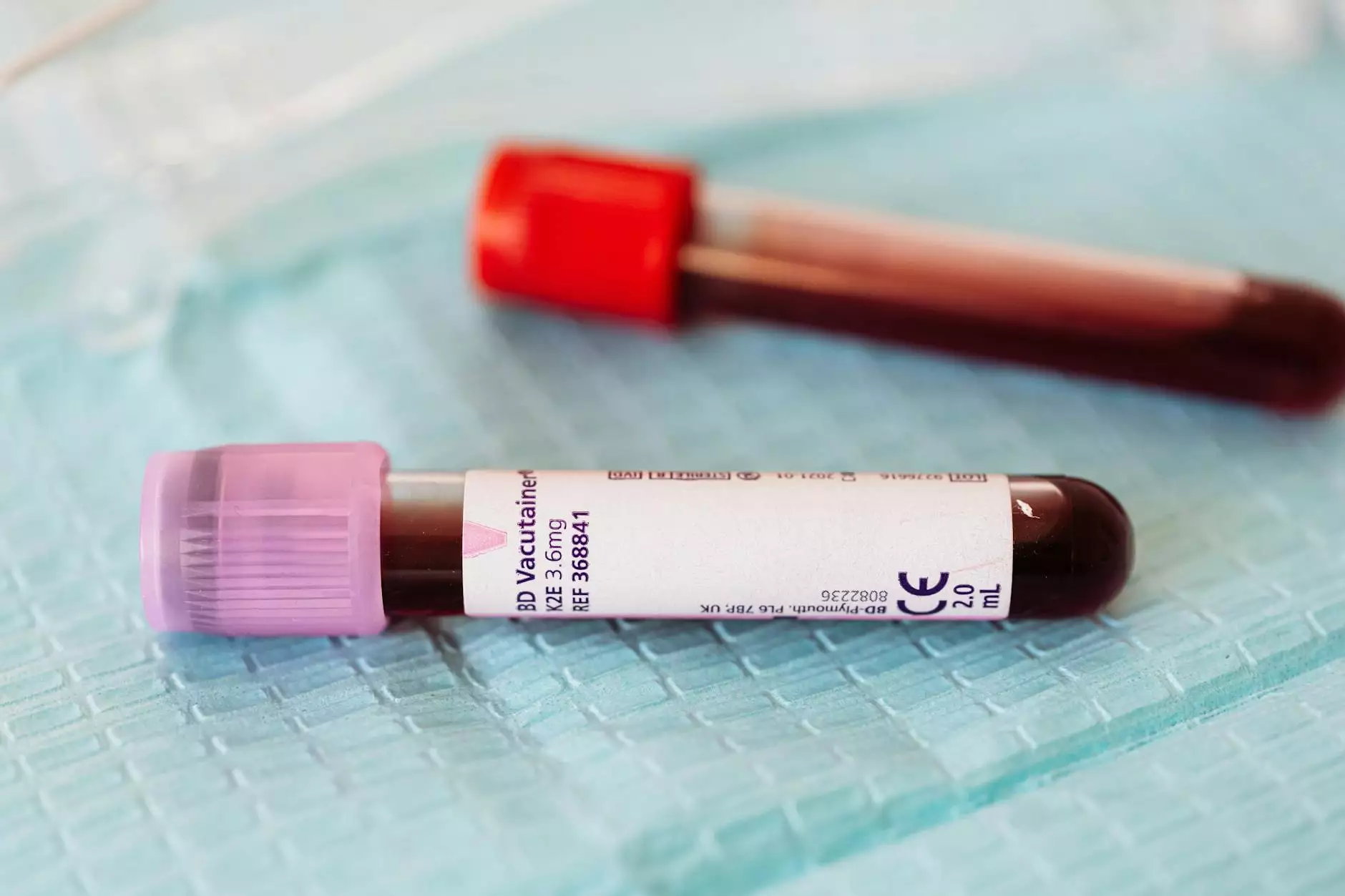
In the realm of vascular medicine, blood clot deep vein thrombosis (DVT) stands as a significant medical condition that demands awareness, prompt diagnosis, and effective treatment. As a leading provider in Vascular Medicine at trufflesveinspecialists.com, our mission is to illuminate the vital aspects of DVT to empower patients and healthcare professionals alike.
What is Blood Clot Deep Vein Thrombosis?
Blood clot deep vein thrombosis refers to the formation of a blood clot (thrombus) within the deep veins of the body, most commonly in the legs, thighs, or pelvis. This condition is a serious health concern because if the thrombus dislodges, it can travel through the bloodstream and cause a potentially fatal pulmonary embolism (PE).
Causes and Risk Factors of Blood Clot Deep Vein Thrombosis
Understanding what predisposes individuals to blood clot deep vein thrombosis is crucial for prevention and early intervention. Several factors can increase the risk:
- Immobilization: Prolonged bed rest, recent surgery, or immobilization due to injury can slow blood flow in the legs, leading to clot formation.
- Inherited Blood Clotting Disorders: Conditions such as factor V Leiden mutation or antiphospholipid syndrome increase clotting tendency.
- Hormonal Factors: Use of oral contraceptives or hormone replacement therapy can elevate DVT risk.
- Pregnancy and Postpartum Period: Increased blood volume and hormonal changes make pregnant women more susceptible.
- Cancer and Cancer Treatments: Malignancies and chemotherapy can alter blood composition and flow.
- Obesity: Excess weight adds pressure on veins and impairs venous return.
- Age: The risk increases significantly after age 60.
- Smoking: Tobacco use damages blood vessels and promotes clotting.
Symptoms of Blood Clot Deep Vein Thrombosis
Recognizing the symptoms of blood clot deep vein thrombosis is vital for timely medical intervention. Symptoms can vary depending on the size and location of the clot, but common signs include:
- Swelling in the affected limb: Usually sudden and localized
- Pain or tenderness: Often described as cramping or soreness, typically in the calf or thigh
- Warmth and redness: Over the affected area
- Discoloration: Skin may appear bluish or pale
- Widened veins: Visible superficial veins may become prominent
However, some individuals may experience no symptoms at all, highlighting the importance of risk assessment and screening, especially in high-risk groups.
Diagnosis of Deep Vein Thrombosis
Accurate diagnosis of blood clot deep vein thrombosis is essential to prevent complications. Diagnostic methods include:
- Doppler Ultrasound: The most common non-invasive test that assesses blood flow and detects clots.
- Venography: An invasive imaging procedure involving contrast dye to visualize veins, used less frequently.
- D-Dimer Test: Blood test that measures clot degradation products; elevated levels suggest active clotting but are not specific.
- Magnetic Resonance Venography (MRV): Uses MRI technology to visualize veins, especially in complex cases.
Integration of clinical examination with imaging ensures precise diagnosis, guiding appropriate treatment plans.
Effective Treatment and Management of Blood Clot Deep Vein Thrombosis
Managing blood clot deep vein thrombosis involves several critical strategies aimed at dissolving or preventing clot extension, reducing the risk of embolism, and alleviating symptoms. Key treatment options include:
Anticoagulation Therapy
The cornerstone of DVT treatment involves anticoagulant medications such as warfarin, heparin, or direct oral anticoagulants (DOACs). These drugs inhibit blood clot formation and growth, enabling the body's natural fibrinolytic system to break down existing clots.
Thrombolytic Therapy
In severe cases or extensive clots, thrombolytic agents like tissue plasminogen activator (tPA) may be administered to actively dissolve the thrombus. This procedure requires careful monitoring due to bleeding risks.
Mechanical Thrombectomy and Vein Filters
In certain scenarios, catheter-based mechanical removal of clots or placement of vena cava filters can be employed to prevent pulmonary embolisms, especially when anticoagulation is contraindicated.
Compression Stockings and Lifestyle Modifications
Compression stockings improve venous flow and reduce swelling, while lifestyle interventions—including weight management, quitting smoking, and regular exercise—significantly lower recurrence risk.
The Importance of Regular Follow-up and Long-term Care
Patients recovering from blood clot deep vein thrombosis require ongoing assessment to monitor for post-thrombotic syndrome (PTS), a condition characterized by chronic pain, swelling, and skin changes. Our expert team at TruffleSVeinSpecialists.com emphasizes the importance of:
- Continual use of prescribed anticoagulants as directed
- Periodic imaging to evaluate vein healing
- Addressing risk factors comprehensively
Adherence to management plans and lifestyle recommendations ensures optimal outcomes and minimizes the risk of future vascular complications.
Preventing Blood Clot Deep Vein Thrombosis: Proactive Strategies
Prevention begins with understanding individual risk factors and adopting proactive measures:
- Maintain active lifestyle with regular physical activity
- Avoid prolonged immobility—take breaks during long travels or sedentary periods
- Manage weight through balanced diet and exercise
- Dispense with smoking to improve vascular health
- Consult healthcare providers about prophylactic anticoagulation during high-risk periods (post-surgical or during pregnancy)
- Stay vigilant about early symptoms and seek immediate medical evaluation if suspected
Why Choose TruffleSVeinSpecialists.com for Vascular Health Solutions
At TruffleSVeinSpecialists.com, our dedicated Doctors and specialists in Vascular Medicine combine advanced diagnostic tools with personalized treatment plans to combat blood clot deep vein thrombosis. We are committed to:
- Providing comprehensive vascular assessments
- Employing minimally invasive procedures for effective outcomes
- Educating patients about vascular health and prevention
- Utilizing the latest research and innovative techniques
- Offering ongoing support for long-term vascular wellbeing
Trust us to help you maintain healthy veins and reduce the risk of life-threatening complications associated with DVT.
Conclusion: Prioritize Vascular Health & Stay Informed
Vascular health is a cornerstone of overall well-being, and understanding blood clot deep vein thrombosis is essential in safeguarding against grave complications. Early diagnosis, effective treatment, and preventive strategies that we champion at TruffleSVeinSpecialists.com can make a significant difference in patients' lives. Empower yourself with knowledge, proactive healthcare, and expert guidance to maintain vibrant vascular health.
For more detailed information or to schedule a consultation with our vascular specialists, visit trufflesveinspecialists.com. Don't wait until symptoms worsen—be proactive in protecting your veins and your future.